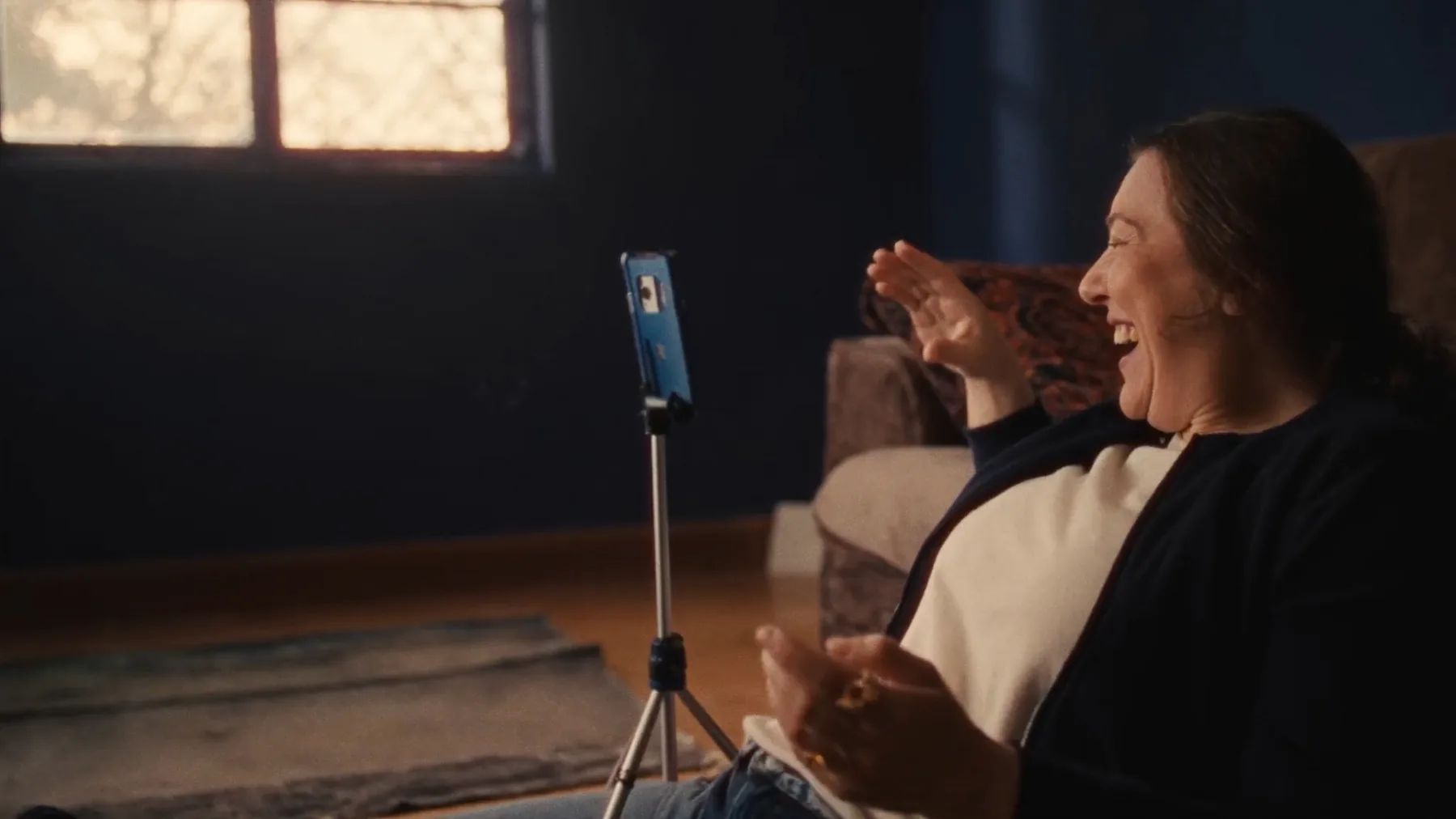
Live on Zoom · 12 weeks · Starts the week of October 5 · $999 $699

Anyone can
learn to act.
Yes, even you.


Acting is a craft, and crafts can be taught. There are twelve techniques underneath all of it. Over twelve weeks, Foundations teaches you every one of them, live, in a small room, with a coach who has spent thirty years doing this.

No audition to get in. No experience assumed.

Small cohort. Two hours a week, live. Every session recorded and yours to keep.

Acting with Shannon
Foundations
Twelve weeks. Live on Zoom. The whole technique.
$999  $699 Week of Oct 5 · live
Twelve tools. Not a talent test.

Twelve named tools sit under every performance you've ever admired. Over twelve weeks you learn all of them, in the order they build on each other.

What this actually is

The studio's foundation class,
taught live, from anywhere.


This is the class Speiser/Sturges has run in Los Angeles for years. Working actors sit in it alongside people who have never taken a class, because the tools don't change. It's built on Stanislavski and Uta Hagen, it borrows from anywhere the good ideas are, and it stays away from your worst memories.

The difference is that you attend it. Every week you show up on Zoom, do the work in front of other people, get Shannon's eyes on it, and leave with something to do before the next one. Twelve weeks of that changes how you work in a way no recording does.

“Stop acting. You're acting. Stop it.” Then once they have, I get to tell them the truth. That was the hard part, and they just did it.

Shannon, on the note she gives most often

That's the job of these twelve weeks. Take away the performing, put a craft in its place, and watch how quickly people stop apologising for being in the room.

Every session is recorded and yours to keep, so missing a week doesn't cost you the week, and the note she gave you is there to rewatch until it sticks.

Live

Two hours a week, with Shannon

A real class on a real night, on Zoom, with a coach who can see what you're doing. Not a video with a comment section.

Small

A room, not an audience

Capped so everyone works and everyone gets seen. Any bigger and it stops being a class.

Recorded

Miss a week, keep the week

The lesson is recorded and sent to you. Warm-ups aren't, so people stay free to be bad at it in private.
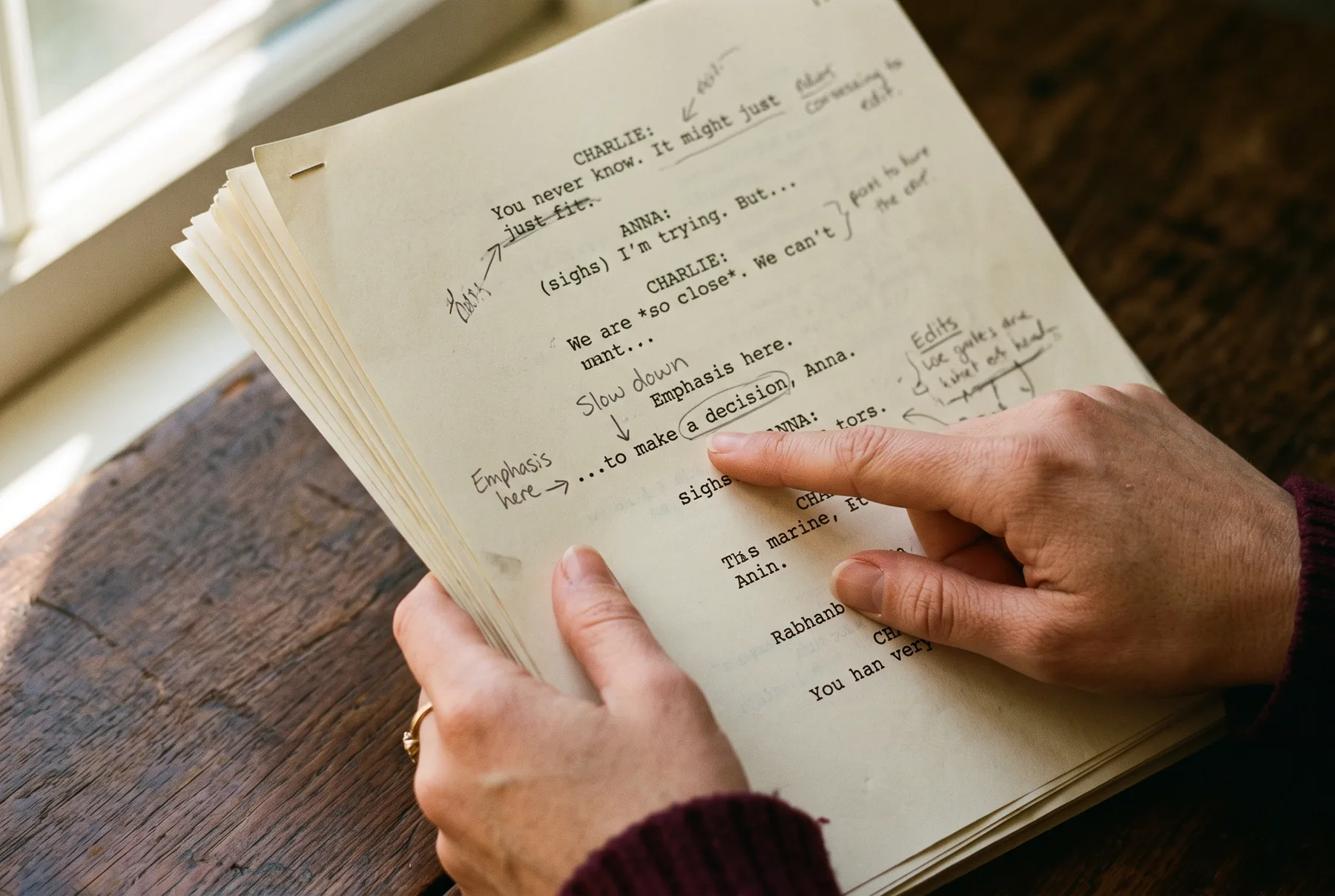

The syllabus

Eleven weeks of technique.
One week on the business.


Taught in the order they build on each other: the verbs and the nouns first, then putting them together on a script. Week eleven is the Character Party, her signature exercise. Week twelve is what to do with all of it.

  1. Get to Know You, and ObjectiveIntroductions, how the program works, class agreements. Then the first tool: what the character needs and wants. You never play it directly, but everything comes from it.
  2. ObstacleWhat's in the way. Obstacles create the drama, and like objectives, you don't play them. It gets its own week for a reason.
  3. ActionsThe only thing you actually play. Verbs, doings, changing tactics beat to beat. The cookie exercise: flatter, demand, negotiate, guilt, seduce, distract, all to get a cookie.
  4. Sense Memory and EndowmentCreating the illusion of a physical sensation, drunk, cold, sick, without being any of it. And giving objects properties they don't have. The prop gun is deadly. The water is vodka.
  5. SubstitutionsCasting real people from your own life as your scene partners and as everyone the script only mentions.
  6. Character BreakdownWho am I? Building the character's autobiography from what the script gives you, secrets included, and mapping where you and the character overlap and where you differ.
  7. Scene BreakdownTechnique meets text. Beats, tactics, and slowing the scene down before the lines go on.
  8. Moment BeforeWhat happened right before you enter. How you got there, who you were with, what just happened.
  9. Emotional MemoryImagination plus a real memory as the way in, then handing it to the character. Taught safely. Nobody is pushed, and nobody digs up their worst day.
  10. Inner Monologue and the Imaginary WallPresent-tense thought on camera, and a few fixed objects placed where the lens sits so your eyes have somewhere real to live. If you don't create it, you won't use it.
  11. The Character PartyThe one everyone remembers. Come as your character, stay in character, live in their world for the night.
  12. Make-Up Class, Beginning Audition, and the Business of ActingThe catch-up week, plus how auditions really work, self-tapes, and the business side of being an actor. Gets you ready, and wanting, the next thing.
Week eleven

The Character Party.


The strangest and best thing she teaches, and the reason people remember this class years later. Come as your character. Stay in character. Live in their world for the night.

  • Study real casting breakdowns for your type
  • Find a real person who actually does that job
  • Interview them with the character autobiography
  • Find the demonstration, one real physical behaviour
  • Arrive in character, and stay there

“Anybody can make up a biography. I want you to find the demonstration.”

An actor working in character Placeholder image
Shannon Sturges in the director's chair at Speiser/Sturges Acting Studio
Who's teaching it

Thirty years on screen.
Fifteen coaching the people still on it.


Shannon Sturges bought Speiser/Sturges from Aaron Speiser in 2015 and has run it since. She works with beginners and with actors you have watched, in the same room, using the same twelve tools.

  • On-set coachFast 8, Den of Thieves, and others
  • Fifteen years running the studioLos Angeles, and the best-reviewed classes in it
  • A thirty-year career firstFilm and television, before she ever coached anyone
  • Granddaughter of Preston SturgesWhich matters less than the thirty years, but it is true
How it runs

Join now, or join in week five.


Cohorts run continuously. Come in partway through and you watch the recordings of the weeks you missed, do the homework, then sit in on those same weeks live with the next group. Nobody ends up with a hole in the middle of their technique.

October cohort

Foundations

Twelve weeks, live. $699 for the founding cohort, down from $999. The first cohort is small. It's the group that shapes how this runs from here.

Founding cohort price
$999
$699

Twelve live two-hour classes. Every recording, yours to keep. Catch-up weeks and the community included.

Come to a live online class or workshop first and enroll the same day, and it's $599. Your class fee comes off that too.

Save your place in the October cohort.

We start the week of October 5. The class day and time is being chosen by a quick poll of the people who are in, so tell us which evenings work for you. You'll get the dates first and the enrollment link the moment it opens.

No payment now. You'll get the dates and the link, then decide.

Want to meet Shannon before you commit? Ask about the next live online class. It's credited toward Foundations if you join.

Questions

Before you commit.


I've never acted at all. Is this too advanced?

It's called Foundations because it starts at the foundation. The studio version has beginners and working actors in the same room, because the twelve tools don't change. Some of Shannon's best students walked in with zero experience and none of the bad habits.

What if I miss a week?

Every lesson is recorded and sent to you. Watch it, do the homework, bring your questions the following week. And if you miss something you'd rather do live, you can sit in on that week with the next cohort at no extra cost. But protect the time. The people who show up are the people who change.

Can you actually learn acting online?

Yes, if it's live and you're working. What doesn't work is watching a video of someone else being taught. That's why this is a class, not a library. You're on camera, Shannon sees you, Shannon adjusts you.

What night is it?

Being decided now by a poll of the people who are in. That's what the form above is for. It starts the week of October 5 and runs twelve weeks through December.

Do I have to perform in front of everyone?

Yes. Shannon's rooms are known for being places you can take a risk without dying of embarrassment. The feedback is honest and it is never cruel.

Do I need a scene partner, or any equipment?

No partner. A phone or laptop camera and a room is enough. There's nothing to buy.

Is the emotional work safe?

It's her stated policy that nobody dredges up their greatest traumas to make a scene work. You use a memory as a way in and hand it to the character. If it's too close, you choose another one.

Is this the same as the Los Angeles classes?

Same method, same coach. The studio is a separate business running in-person and private work in LA. This is the online class, open to anyone anywhere.

Is there a payment plan?

Ask. Reply to any email from Shannon or use the contact page and we'll tell you what's available for the October cohort.

What happens after the twelve weeks?

You'll know whether this is your thing. Most people keep working. There's a monthly membership to continue with the group, and the community stays open to you.

An actor after a take Placeholder image

Do all your prep.
Then let it be easy.

Twelve weeks from now you'll have the whole technique and somewhere to put it.